Timber For Decking And Outdoor Entertaining Areas In Byron Bay
Byron Bay's outdoor lifestyle is, in many ways, built around timber. Whether it's a weathered deck overlooking a garden, a pergola filtering the afternoon light, or a raised entertaining platform set back from the hinterland, timber has long shaped the way people use their outdoor spaces here.
But not all timber performs equally in this environment, and the choices you make at the outset will determine how your project holds up over years of coastal humidity, salt air and subtropical heat. If you're sourcing timber supplies in Byron Bay, understanding what works in this specific climate is a practical starting point — not an afterthought.
Why Coastal Conditions Matter for Timber Selection
Byron Bay sits in one of Australia's more demanding environments for outdoor building materials. The combination of high humidity, salt-laden air, UV exposure and the ever-present threat of termites creates conditions that accelerate deterioration in poorly chosen timbers. What performs well in a dry inland climate can blister, warp or rot within a few seasons here.
This isn't a reason to avoid timber outdoors — it's a reason to choose the right one. Key factors that influence how timber copes in coastal conditions include:
- Moisture resistance: The ability to absorb and release moisture without significant swelling, splitting or cupping.
- Salt air tolerance: Some timbers are more prone to surface degradation when exposed to salt particles carried in sea breezes.
- UV stability: Prolonged sun exposure bleaches untreated timber and can cause surface checking over time.
- Termite resistance: Particularly important in Northern NSW, where termite pressure is high year-round.
Selecting a species or treatment that addresses these factors upfront reduces long-term maintenance and extends the life of your structure.
Timber Species That Perform Well in Byron Bay's Climate
Locally, a handful of species have established a strong track record for outdoor use. Hardwoods tend to dominate in applications where durability is critical, while some treated softwoods offer a cost-effective alternative depending on the project scope.
- Spotted Gum is one of the most widely used decking timbers in coastal Queensland and northern NSW. It's naturally durable, resistant to termites and handles moisture fluctuation well. Its interlocked grain gives it reasonable resistance to surface splitting, though it does require periodic oiling to maintain its appearance.
- Blackbutt is another reliable option, particularly for decks and pergola structures. It carries a Class 1 above-ground durability rating, holds fasteners well and is FSC certified through many suppliers, which matters increasingly to homeowners with sustainability considerations in mind.
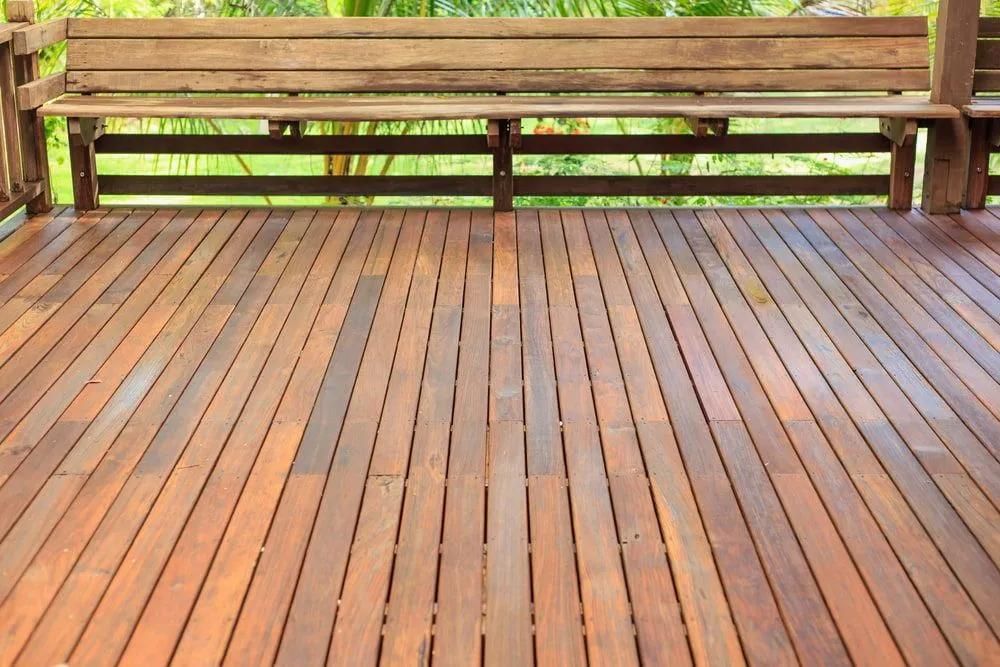
- Merbau (also sold as Kwila) remains a popular choice for decking timber for decking due to its rich reddish-brown colour and above-ground durability. It's worth noting that Merbau can bleed a red-brown tannin in the early stages after installation, which is a normal characteristic of the species.
- Treated Pine rounds out the common options, particularly for framing, garden beds and screening structures where it's not the primary visual material. H3-treated pine suits above-ground exposed applications, while H4 or H5-treated material is required where ground contact is involved.
Popular Outdoor Timber Applications in Byron Bay
Homeowners in Byron Bay tend to approach outdoor spaces with a practical creativity — they want structures that work hard and look considered. Timber supports this in several key applications:
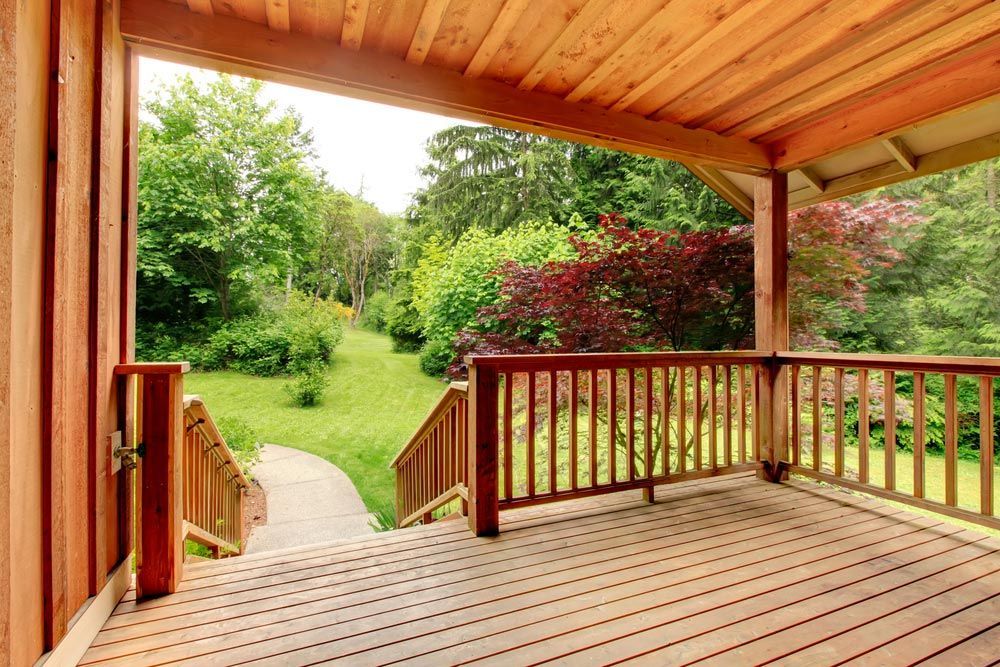
- Decking is the most common request, ranging from ground-level platforms to elevated structures built to capture views or navigate sloping blocks. The choice of timber species, board width and profile all affect the finished result.
- Pergolas and shade structures are where timber really earns its place visually. The natural warmth of hardwood overhead rafters and beams reads differently to steel or aluminium — it suits the relaxed architectural character that's common across Byron's residential areas.
- Garden beds and edging benefit from treated pine or durable hardwood sleepers, which hold their form against soil pressure and moisture over time.
- Feature screens and privacy panels are increasingly popular in tighter residential lots. Timber screens in spotted gum or hardwood slats offer a natural aesthetic that integrates well with landscaping and softens boundary fencing.
Understanding Timber Grades and What They Mean for Your Project
Timber is graded according to structural capacity and appearance, and both matter depending on how and where you're using it. For outdoor timber in Byron Bay, it's useful to understand the distinction.
Structural grades (F-grades or MGP ratings) determine load-bearing capacity. These are relevant for pergola rafters, joists and bearers where the timber needs to perform under load. Appearance grades determine how the face of the board looks — the number of knots, grain variations and surface characteristics. For decking boards, most homeowners opt for Select grade (fewer visible knots) or Standard/Better, which allows moderate feature.
Some practical points worth keeping in mind:
- Higher appearance grades cost more but matter most in visible, high-use areas like main deck boards or feature screens.
- Structural grade is non-negotiable for pergola framing and load-bearing components — it's a safety consideration, not just a preference.
- Mixed grades can work well in a single project, using higher appearance grades where visible and structural grades where hidden.
A good supplier will walk you through these distinctions before you order, helping you allocate your budget where it counts most.
Sustainability Certifications and What to Look For
Sustainability has become a meaningful consideration for many Byron Bay homeowners, and it's one area where timber genuinely holds an advantage over synthetic alternatives — provided it's sourced responsibly. Two certifications are worth understanding:
FSC (Forest Stewardship Council) certification indicates the timber has been harvested from forests managed to environmental and social standards. FSC-certified hardwoods like Blackbutt and some Spotted Gum products are available through responsible suppliers.
PEFC (Programme for the Endorsement of Forest Certification) is a comparable international standard, often applied to plantation-grown timbers like Radiata Pine.
For imported species like Merbau, certification is particularly important, as uncertified supply chains can be difficult to trace. Asking your supplier directly about certification is reasonable, and a reputable supplier will have documentation readily available.
Closer to home, sourcing outdoor timber in Byron Bay from Australian-grown species supports local forestry operations and generally reduces transportation impacts compared to imported alternatives.
Timber Maintenance in a Coastal Climate
Choosing a durable species is half the equation — the other half is maintenance. In Byron Bay's climate, even well-chosen timber needs periodic attention to maintain its performance and appearance.
For hardwood decking and pergola timber, the core maintenance tasks include:
- Oiling or sealing every 12–24 months, depending on exposure and the specific product used. Penetrating oils are generally preferred for decking as they nourish the timber rather than forming a surface film that can peel.
- Cleaning before recoating to remove mould, surface dirt and tannin bleed, particularly after the wet season.
- Inspecting fixings and framing annually for any signs of corrosion. In coastal environments, using stainless steel or hot-dipped galvanised fixings from the outset reduces long-term maintenance headaches.
- Treating any exposed end grain on cut boards, as this is where moisture enters fastest and where checking typically originates.
Treated pine structures generally require less surface maintenance but should still be inspected periodically for signs of moisture ingress at joints and connections.
Buying Local: The Practical Advantage of a Regional Supplier
There's a straightforward reason to source timber supplies in Byron Bay from a supplier with direct knowledge of the region: they understand what works here. A supplier operating in Northern NSW has seen how different species perform across local projects, knows which products are in reliable stock for the region and can make informed recommendations rather than generic ones.
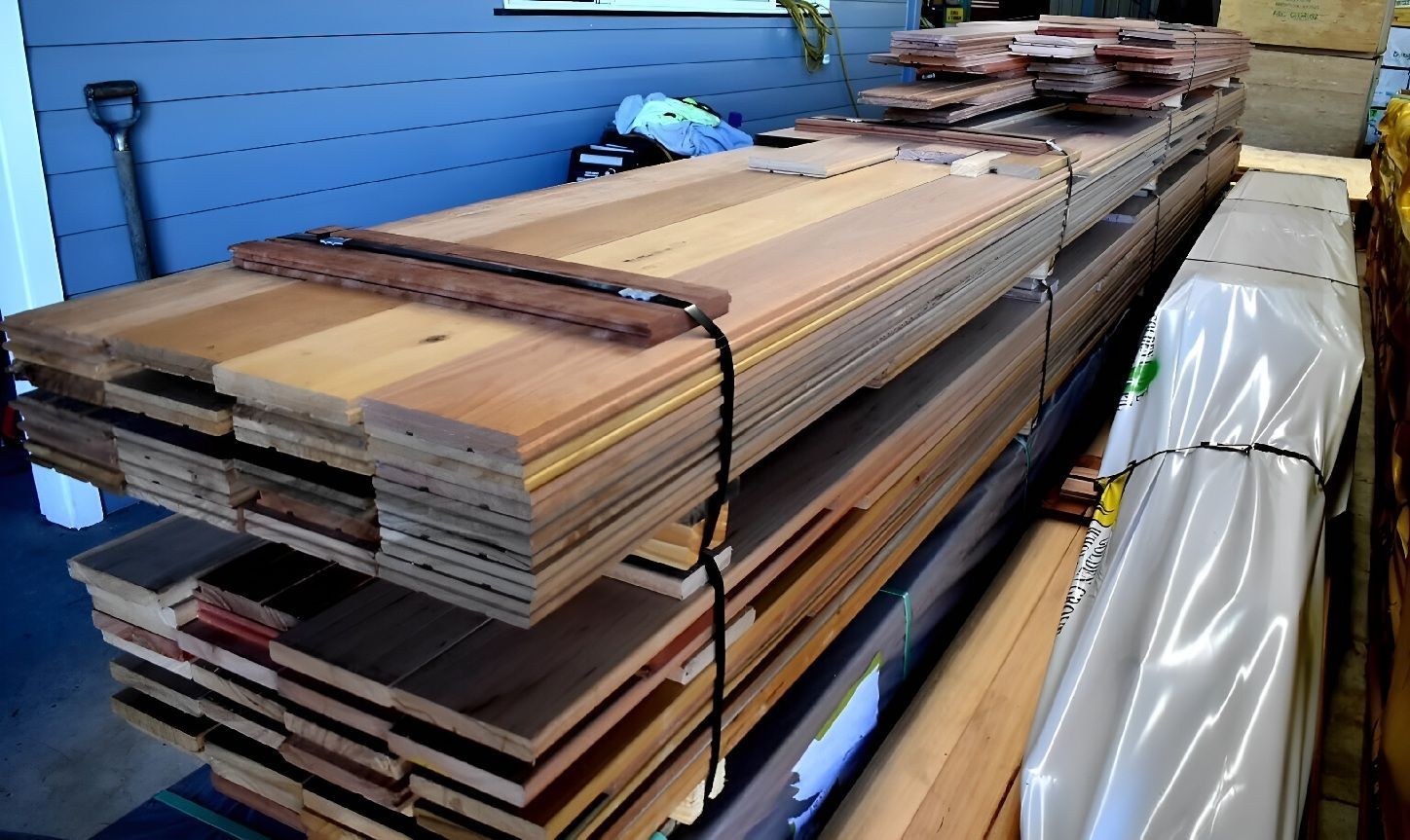
Buying locally also has logistical advantages. Lead times are shorter, freight costs are lower and it's easier to inspect stock in person before committing to a full order. For larger projects, the ability to stage deliveries matters — particularly on sloping or constrained sites common across Byron's hinterland and coastal fringe.
Local suppliers are also better placed to advise on council requirements for decking and pergola structures in the Byron Shire, where heritage considerations and BAL (Bushfire Attack Level) ratings can influence material choices in certain areas.
Planning Your Outdoor Project: Where to Start
Before purchasing any timber for decking, pergolas or entertaining areas, a few planning steps will save you time and money downstream. This applies whether you're engaging a builder or approaching the project as an owner-builder.
Key considerations at the planning stage include:
- Confirm your deck or pergola dimensions and any structural specifications from your designer or certifier before ordering framing timber.
- Account for waste and overrun, typically 10–15% above your calculated lineal metres, particularly for decking boards where checking lengths and cutting to fit is unavoidable.
- Understand your site conditions — soil type, slope, proximity to trees and any BAL rating — as these affect both the species selection and the treatment level required.
- Get a written quote that separates species, grade and treatment, so you're comparing like for like if you're pricing across multiple suppliers.
Connect With Budget Timbers for Your Byron Bay Project
We at Budget Timbers work with homeowners, renovators and builders across the Byron Bay region, helping them source the right outdoor timber for each specific project. Whether you're planning a new deck, a pergola over an entertaining area or garden landscaping with sleepers and screens, we can advise on species selection, grades and treatment requirements suited to Northern NSW's coastal conditions.
Byron Bay's outdoor lifestyle deserves materials that hold up to the climate — and we stock a range of hardwoods and treated timbers to help you get there. Get in touch with our team to discuss your project, request a quote or visit us to inspect our timber supplies in Byron Bay in person.