The Role Of Timber In Modern Northern Rivers Housing Design
Timber has always been part of how
the Northern Rivers builds, but its role in modern housing design has shifted. It is no longer just a structural material or a
decking option; it is a deliberate design choice that shapes how a home feels, how it sits in the landscape and how it performs in a coastal or hinterland climate. Homeowners searching for timber suppliers near me or sourcing
timber supplies Northern Rivers wide will find the material at the centre of almost every contemporary regional build, from
timber suppliers in Byron Bay,
Ballina and
Lismore through to projects across the Northern Rivers.
Why Timber Remains Central to Northern Rivers Architecture
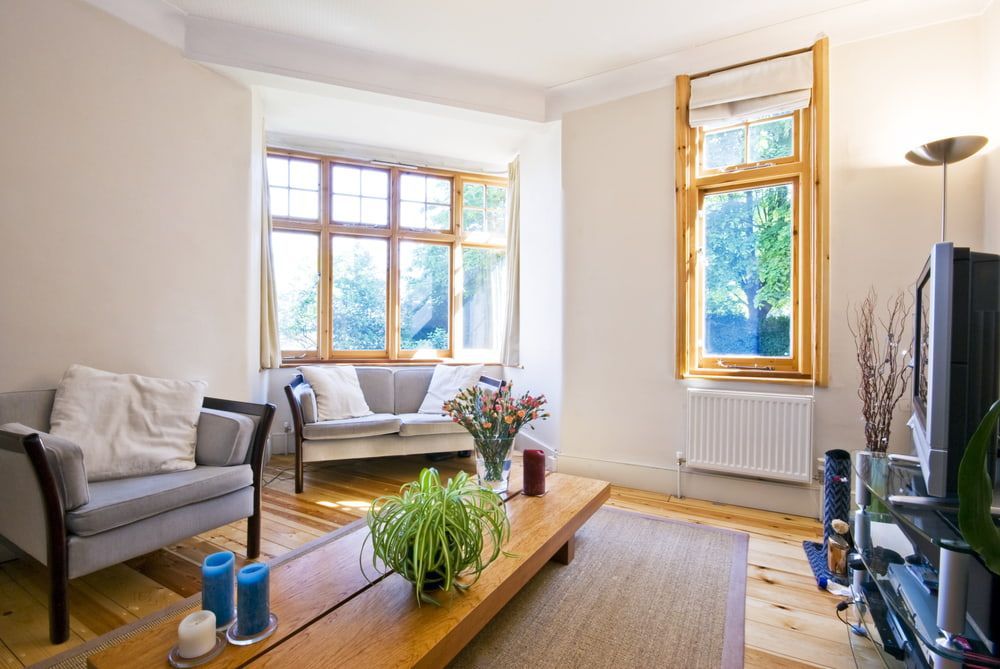
Modern housing design across the region favours warm, natural materials that soften the line between indoor and outdoor living, and timber does this more effectively than most alternatives. It brings texture and warmth to spaces that might otherwise feel hard-edged, and it ages in a way that suits the relaxed character of coastal and hinterland homes rather than working against it. Where a lot of contemporary design elsewhere leans heavily on concrete, steel and glass, Northern Rivers architecture tends to use timber as the material that ties those harder elements together and gives a home a sense of place.
Timber in Structural Framing, Façades and Cladding
Timber's role starts well before the finishes go on. It remains a common choice for structural framing across the region, valued for its strength, workability and availability from local suppliers. Beyond the frame, timber façades and cladding have become a defining feature of contemporary regional homes, used to break up larger forms, add depth to an otherwise flat elevation and give a building a textured, natural exterior that suits its surroundings. Vertical battens, board and batten cladding and feature timber screens are common ways architects are using the material to add visual interest without relying on paint or render.
Decking and Outdoor Living: Blurring Indoor and Outdoor Spaces
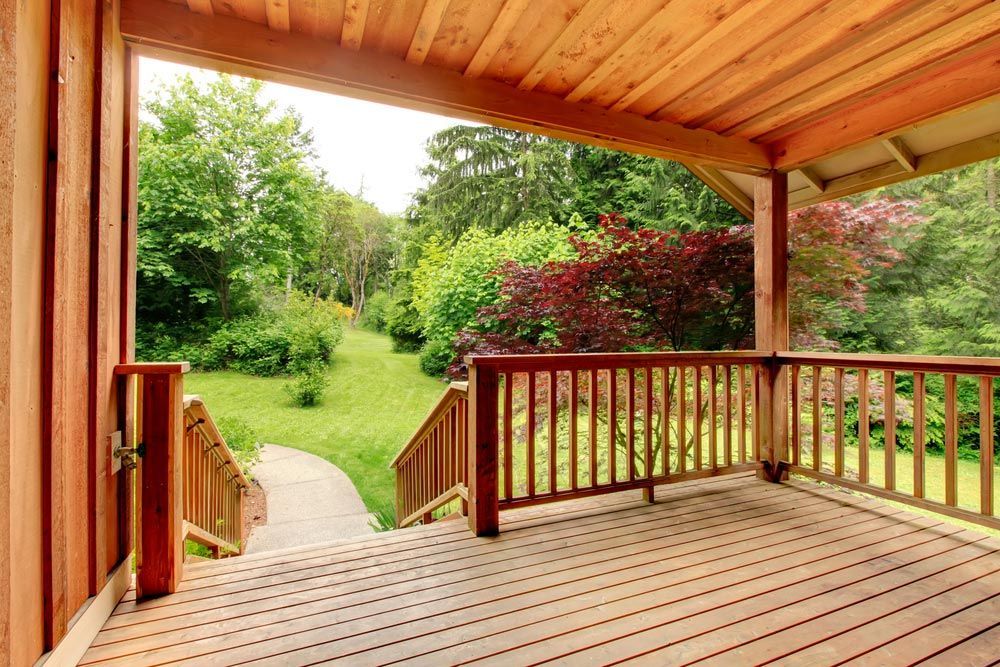
Outdoor living is central to how homes are designed in this region, and timber decking is often the material that connects the interior directly to the garden, the pool or the view. A well-detailed timber deck extends the usable footprint of a home and reinforces the indoor-outdoor flow that defines coastal and hinterland living. Species selection matters here more than almost anywhere else in the build, since decking is exposed to sun, rain and salt air in a way that internal timber never is, which is why durability and finish are treated as design considerations rather than an afterthought.
Engineered and Reclaimed Timber: Durability Meets Sustainability
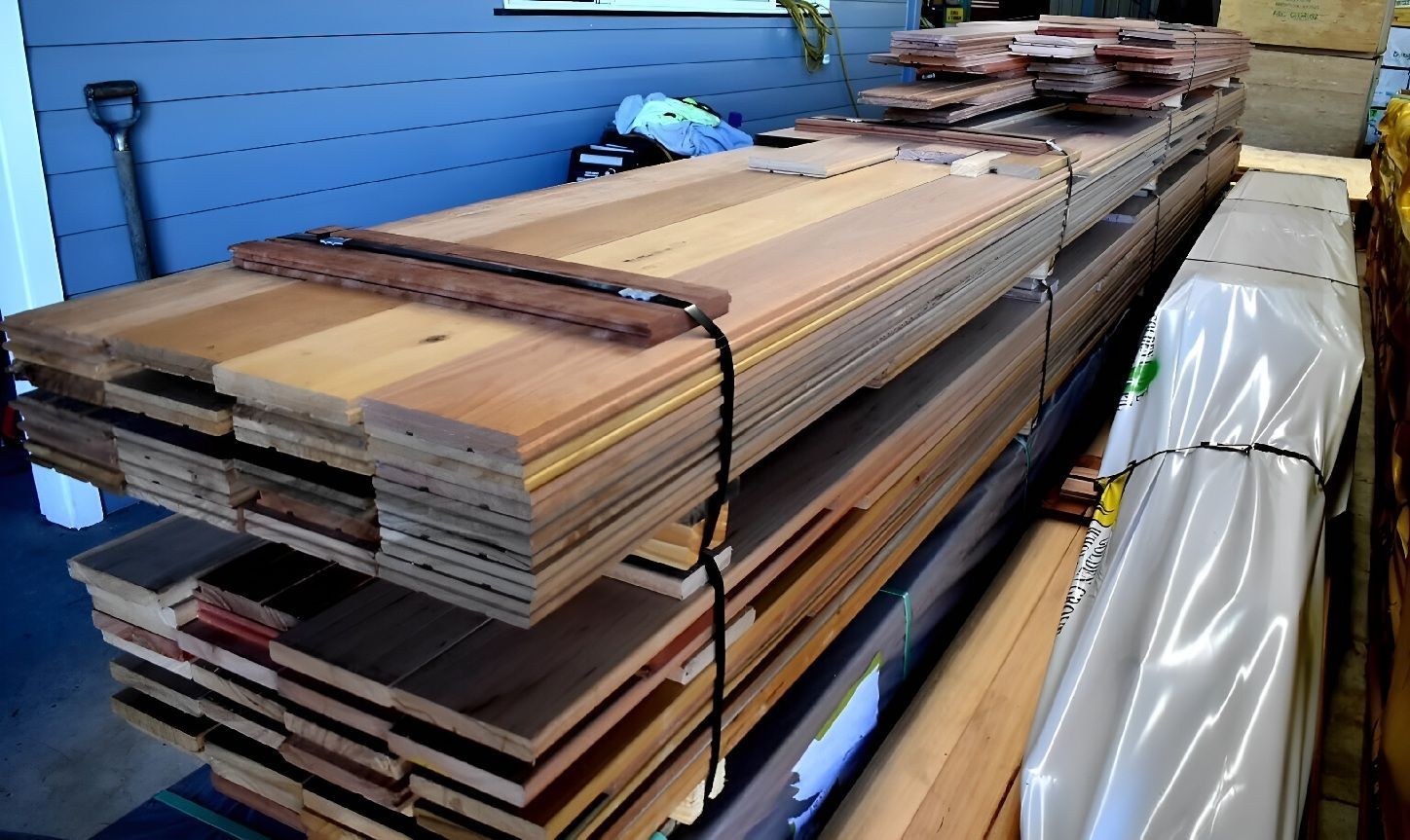
Engineered timber products have become increasingly popular in the region, offering more predictable performance and stability than solid timber in some structural applications, while still delivering the warmth and natural grain that architects and homeowners want. Reclaimed timber has followed a similar trajectory, valued both for its environmental credentials and for the character that only comes from timber that has already had a working life. Both options age naturally in coastal and hinterland conditions, developing a patina over time that many homeowners actively want rather than try to prevent. For anyone weighing up species and product options for a build, choosing the right timber species early in the design process makes a meaningful difference to how the material performs and looks over the life of the home.
Timber and Passive, Biophilic Design in Coastal and Hinterland Homes
Sustainability and passive design principles are increasingly shaping how homes are built across the Northern Rivers, and timber plays a functional role here, not just an aesthetic one. Timber has natural insulating properties that help regulate internal temperature, which supports passive design goals in a climate that swings between humid coastal summers and cooler hinterland winters. It also softens the visual impact of a build against its natural surroundings, which is central to biophilic design principles that aim to integrate a home into the landscape rather than impose on it. Used well, timber helps a house read as part of its environment rather than as a structure dropped onto a block.
Pairing Timber with Stone, Glass and Metal
Few contemporary Northern Rivers homes rely on timber alone. It is most often paired with stone, glass and metal to create a balanced material palette, with each element doing a different job. Stone grounds a design and adds mass, glass opens a home to light and view, and metal detailing offers a clean contrast to timber's natural grain and colour variation. The result, when it is done well, is a home that feels textured and considered rather than uniform, which is a large part of why this material combination has become a signature of modern regional design in the area.
Choosing the Right Timber for Your Project
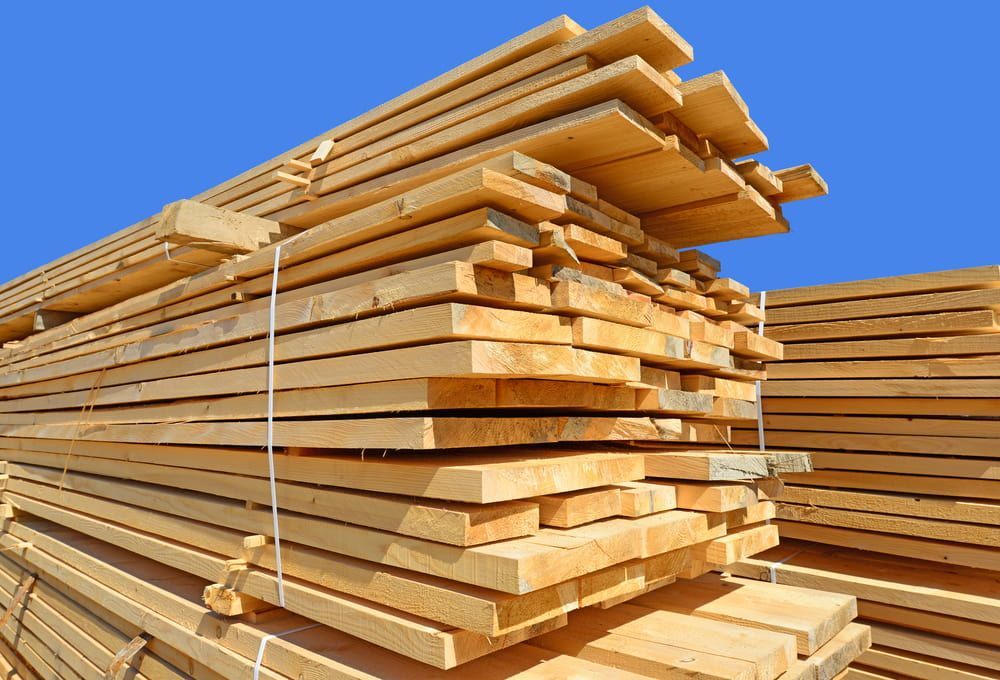
Species selection depends heavily on the application, the exposure the timber will face and the look the design is aiming for. A structural application calls for different properties than a cladding or decking application, and coastal exposure changes the calculation again. Working through choosing the right timber species with a supplier who understands local conditions helps avoid costly mismatches between a timber's properties and the job it needs to do, whether that's framing, decking, cladding or interior finishes.
FAQs
Timber remains one of the defining materials of Northern Rivers housing design, not simply for its look but for the way it supports climate responsiveness, sustainability and the relaxed architectural identity the region is known for. Whether you're sourcing timber suppliers near me for a renovation or working through material selection for a new build, having the right timber supply partner behind a project makes a real difference to how it performs and ages over time.